
The heat pump conversation is usually framed as a replacement decision: keep the gas furnace or rip it out. There is a third option that suits a lot of Metro Vancouver homes better than either, and it gets discussed less than it should.
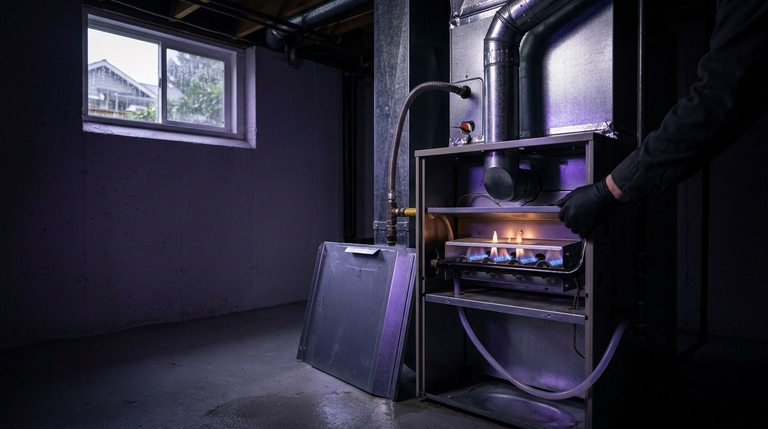
Keep the furnace. Add a heat pump. Let each do the part of the year it is best at.
How it works
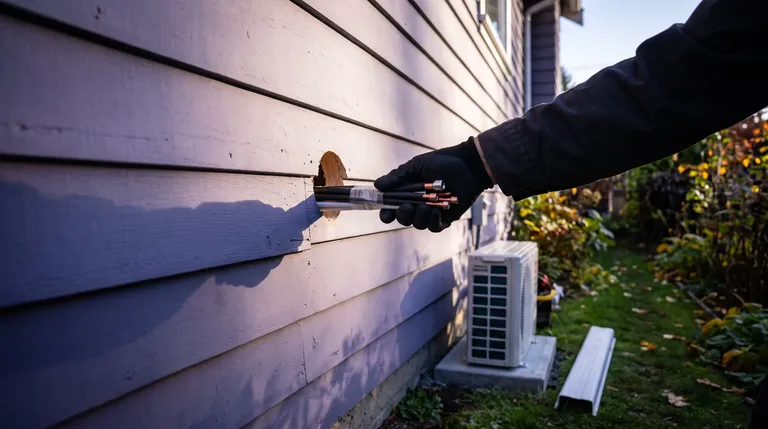
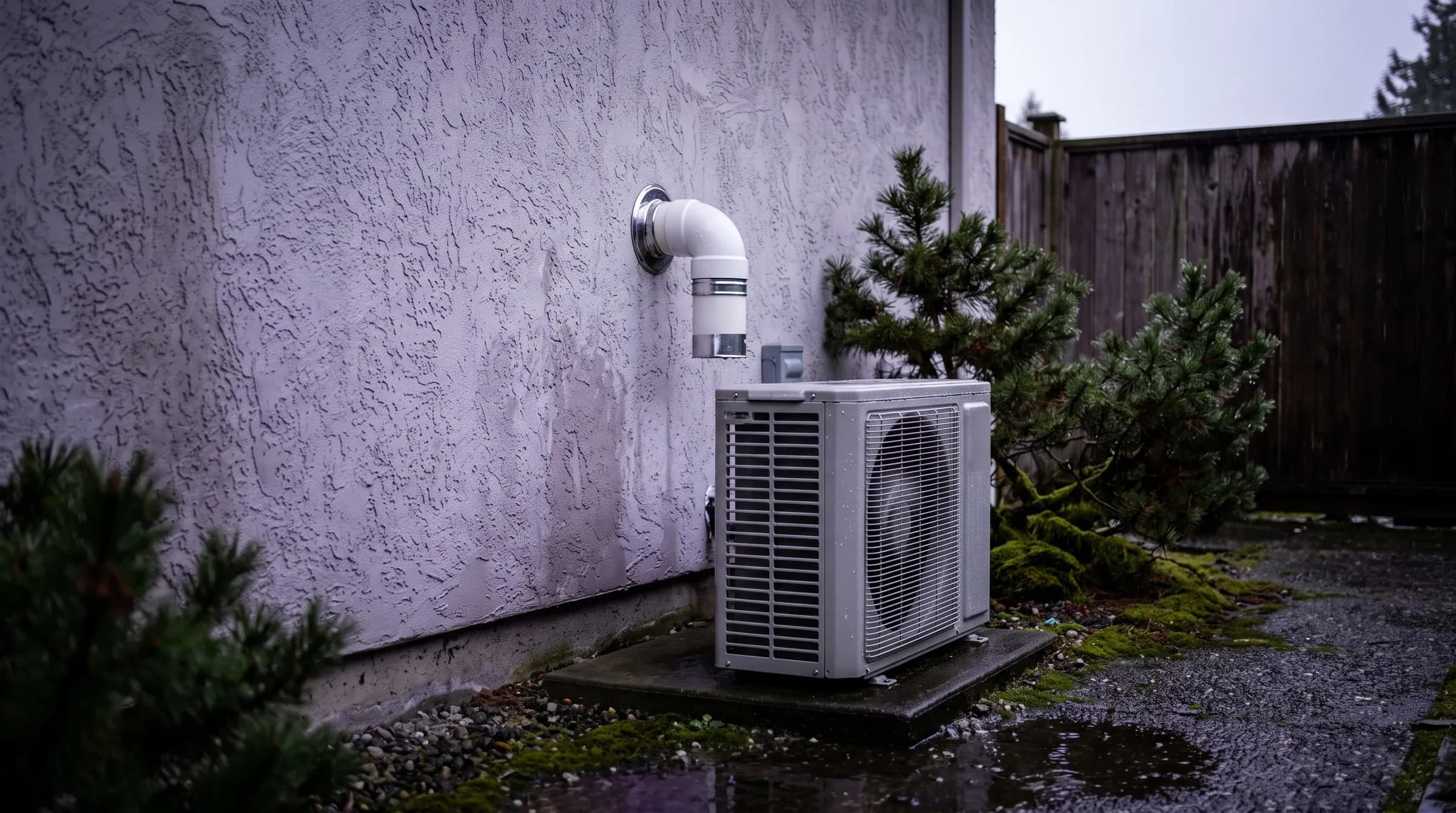
Both are installed and share the ducting. A control system decides which runs.
For most of the year — which here means most of the heating season — the heat pump does the work, efficiently. When the outdoor temperature falls to the point where the heat pump's efficiency drops below the furnace's, the system switches over and the furnace takes it. In summer, the heat pump runs in reverse and cools.
The switchover is automatic. You do not manage it.
Why it fits this region
Our heating season is long and mild. The overwhelming majority of it sits comfortably in the range where a heat pump is the more efficient choice. The genuinely cold days — the ones where a heat pump has to work hardest — are a small number of days each year.
Dual fuel captures the efficiency for the bulk of the season and uses the furnace for the small tail where gas makes more sense. You also get air conditioning, which the furnace alone never gave you.
The practical advantages
You keep working equipment. If your furnace is sound and has years left, removing it is discarding value. Dual fuel adds capability without throwing that away.
The coldest days are covered without anxiety. This is the objection people raise about heat pumps, and dual fuel simply removes it — on the coldest night of the year the furnace runs, exactly as it always did.
Lower electrical demand. A heat pump sized to carry the entire load on the coldest day is a larger machine with a larger electrical requirement. One that hands over to a furnace can be sized for the bulk of the season instead, which sometimes avoids a panel upgrade.
A staged path. If your furnace is newish and your budget is not unlimited, adding a heat pump now and replacing the furnace when it eventually fails spreads the work.
The switchover point
The control decides when to hand over, and there are two ways to set it.
By temperature is simple: below a set outdoor temperature, run gas. Easy to understand and easy to configure.
By economic balance point is more precise: the changeover is set at the outdoor temperature where the cost of running the heat pump equals the cost of running the furnace, given current energy prices and the actual performance of your equipment. That point moves as energy prices move.
Either works. The second saves more; the first is easier to explain and to service.
When it does not make sense
If the furnace is at the end of its life. Building a dual-fuel system around a furnace that will fail in a couple of years means doing the work twice.
If you are trying to eliminate gas. Dual fuel keeps gas in the house by design. If decarbonising is the goal, this is not the path — a fully electric system is.
If ducting is inadequate. The same constraint as any ducted heat pump. Both appliances share the distribution, and a heat pump is less tolerant of poor ducting than a furnace.
If space is tight. Two appliances plus an outdoor unit need somewhere to live.
Rebates
Rebate programmes generally target heat pumps and may treat dual-fuel configurations differently from full electrification. Because the rules change and the details matter, check CleanBC and BC Hydro for what currently applies to the specific configuration you are considering — and check before the work starts, since some programmes require it.
Whether your furnace is a candidate
The furnace has to be in sound condition and its controls have to be able to integrate with a dual-fuel thermostat. Some can, some cannot, and it is worth establishing before planning around it.
We can assess what you have and tell you whether dual fuel, a full heat pump, or replacing the furnace outright makes more sense for your house.
Vancouver, Burnaby, Richmond, Coquitlam, Port Coquitlam, New Westminster. 604-865-7979.
Related: Dual-fuel heating · Heat pump installation · When to replace a furnace