
Everyone notices low water pressure. Almost nobody notices high water pressure, which is unfortunate, because high pressure is the one that costs money.
Low pressure, and where it comes from
The useful first question is whether it is one fixture or all of them.
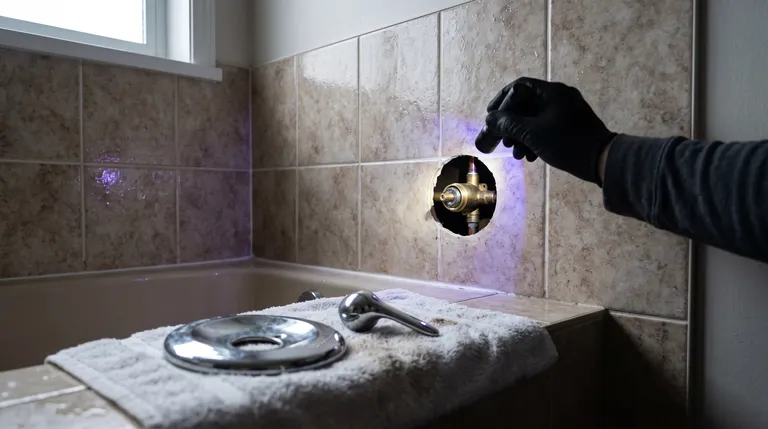
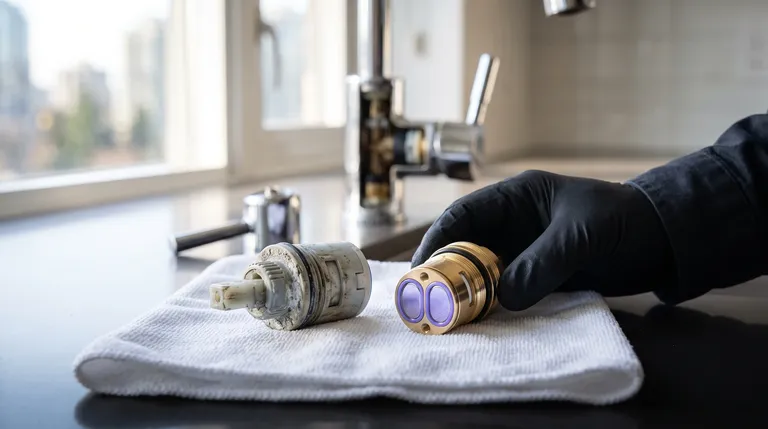
One fixture is almost always local and usually trivial. A clogged aerator on a tap, a scaled shower head, a partially closed supply valve, or a cartridge that is failing. The aerator is worth checking yourself — unscrew it, rinse the screen, soak it in vinegar if it is furred up.
Every fixture means the problem is upstream. Common causes are a partially closed main shutoff (worth checking — valves get bumped, and after any work someone may not have opened it fully), a failing pressure regulator, corrosion and scale narrowing old supply pipes, or a problem in the service line between the street and the house.
Only hot water is weak points at the water heater or its connections rather than the supply generally.
Pressure that drops when another fixture runs suggests undersized or restricted piping — the system cannot supply two demands at once.
High pressure, and why it matters
Municipal supply pressure varies by area and by elevation, and in some parts of Metro Vancouver it arrives at the house considerably higher than a home's plumbing wants.
High pressure does not announce itself as a problem. It announces itself as a great shower. What it is doing meanwhile is stressing every joint, every valve, every appliance connection and every fixture in the house, continuously.
The consequences show up as things that seem unrelated: taps that drip soon after being repaired, toilet fill valves that fail repeatedly, appliance hoses that burst, banging pipes when a tap closes quickly, a water heater relief valve that weeps. Each gets treated as its own fault. The common cause is the pressure behind all of them.
It also shortens the life of dishwashers and washing machines, which are not built for it.
The pressure regulator
Where supply pressure is high, a pressure reducing valve is installed near where the water enters the house. It steps the pressure down to something the plumbing is designed for.
It is a mechanical device and it wears out. When it fails, it usually fails by letting pressure through — so the house goes back to full supply pressure and starts quietly damaging itself again. Sometimes it fails the other way and pressure drops across the house.
A regulator that has been in place a long time and has never been checked is worth checking, because the failure mode is invisible.
Banging pipes
A bang when a tap or an appliance valve closes quickly is water hammer — moving water stopping suddenly. It is more violent at higher pressure, and it is genuinely damaging over time: it stresses joints and can loosen fittings.
It is fixable, with arrestors, with pressure correction, or both. It is also a decent indicator that pressure is worth measuring.
How this gets diagnosed
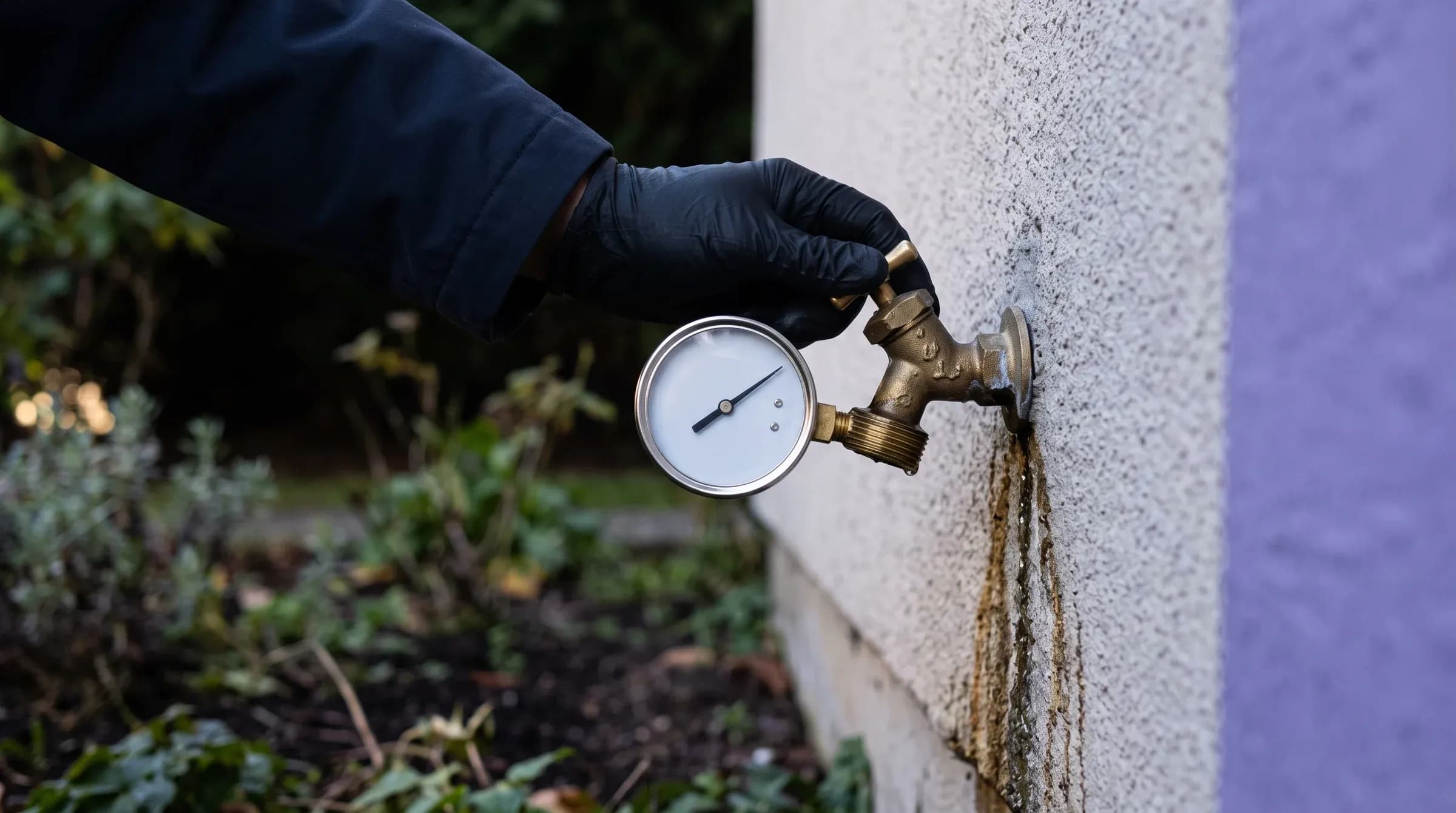
Measuring pressure at the house is quick and it is the first thing to do, because it tells you which conversation you are having. Then it is a matter of where: at the regulator, in the service line, in the distribution piping, or at the fixture.
If the answer turns out to be that the supply pipes have narrowed with age, that is a repiping conversation rather than a pressure one — and it is better to know that than to keep adjusting things that will not fix it.
Worth doing before it costs you
If your pressure feels unusually strong, or you have had a run of small failures around the house that seemed unconnected, having pressure measured is a short visit that frequently explains several problems at once.
Vancouver, Burnaby, Richmond, Coquitlam, Port Coquitlam, New Westminster. 604-865-7979.
Related: Water pressure problems · Whole-home and suite repiping · Plumbing maintenance and repair