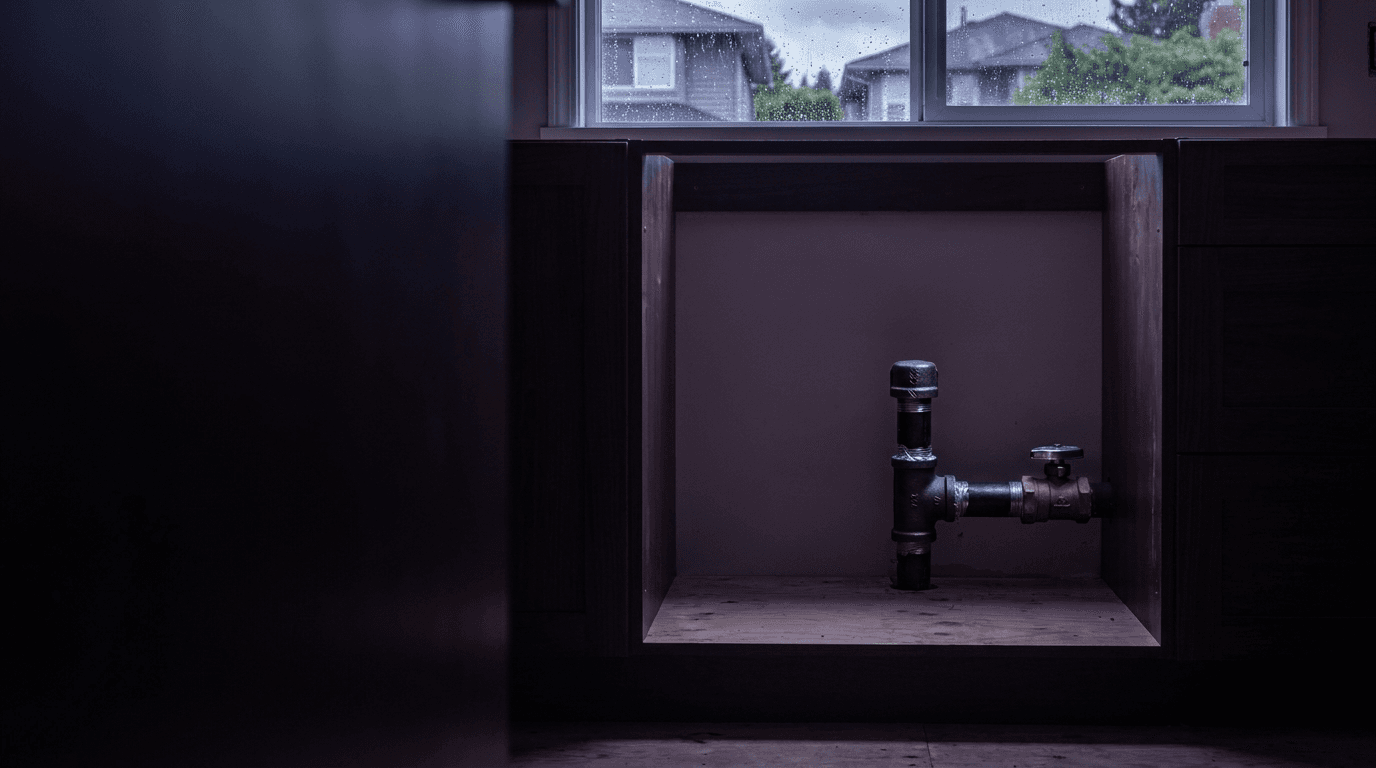

The appliance goes out the door in an afternoon. The pipe that fed it does not. Behind the empty cabinet bay, or on the joist where the furnace used to sit, there is still a branch connected to the rest of a live gas system, and somebody has turned its valve to off. That is where most of these jobs stop, and it is one step short of finished. In British Columbia, taking a gas appliance out is regulated work with its own permit, and the line it leaves behind is meant to be capped, tested and recorded.
A closed valve is not a decommissioned line
A shutoff valve is a working part. It is built to be opened again, it can be opened by anyone who finds it, and like every moving part it can weep or fail. A line behind a closed valve is still pressurised up to that valve. It is dormant, not finished.
The regulator draws the same line. Technical Safety BC's decommissioning directive separates equipment genuinely taken out of service from equipment that is merely idle. Something shut down with the intention of running again is classed as available for operation, and it stays inside the inspection and maintenance regime. Only work that removes the energy source, purges the contents, physically disconnects the piece from the system and leaves it permanently deactivated counts as decommissioned.
On a house that translates into something simple to describe and specific to do. The branch is cut back to a sensible point, capped or plugged at that point, and the system it is still attached to is pressure tested to prove nothing is escaping at the new end.
Removal is an alteration, and alterations are permitted work
The removal of any gas system or equipment is considered an alteration.
That single sentence is what surprises people. Nothing is being added, nothing new is being run, and the job still needs a permit taken out before the work starts — the permit for installing or altering venting or gas piping without appliances. The work itself belongs to a licensed gas contractor, the same as any other regulated gas job.
The permit is easy to undervalue while you are standing in a half-finished kitchen. It is the record. The bulletin puts it plainly: the permit tells the regulator that the gas system has been properly isolated and left in a safe, code-compliant state. Without it there is no trace the branch was ever dealt with, and the next person to meet it — a buyer's inspector, an insurer, the contractor who opens that wall in eight years — has to treat it as unknown and live.
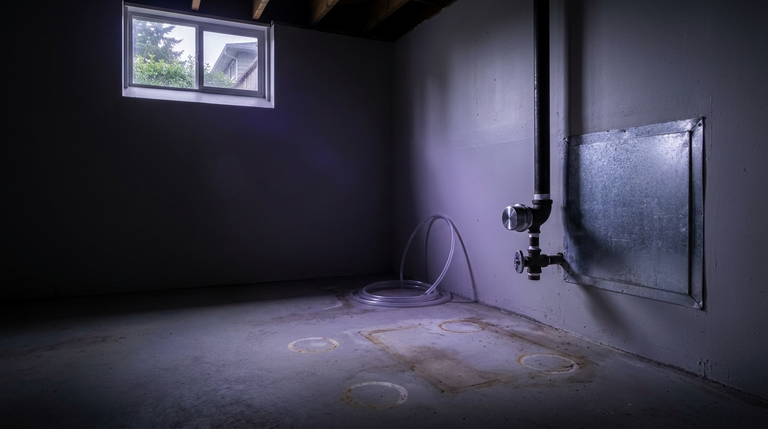
The furnace-to-heat-pump case
This is the example the regulator itself uses: a gas furnace comes out, an electric-only heat pump goes in, and the permit filed by the gas contractor is what shows the gas side was isolated and left safe. The heat pump install does not cover it.
Where this comes up in Metro Vancouver homes
Most often it is a kitchen. A gas range comes out, an induction range goes in, and the stub behind the new cabinet run gets a valve and a quarter turn. Second is a character house where a gas fireplace comes out in a renovation, with the branch running back through a wall about to be closed up. Third is the furnace case above, in houses where the water heater stays on gas, so the main line stays live and only the furnace branch dies.
The pattern in all three is the same: the line is not fully retired, because the house still burns gas somewhere. That is exactly the condition where a capped and tested end matters, and exactly the condition where an abandoned branch is easiest to forget.
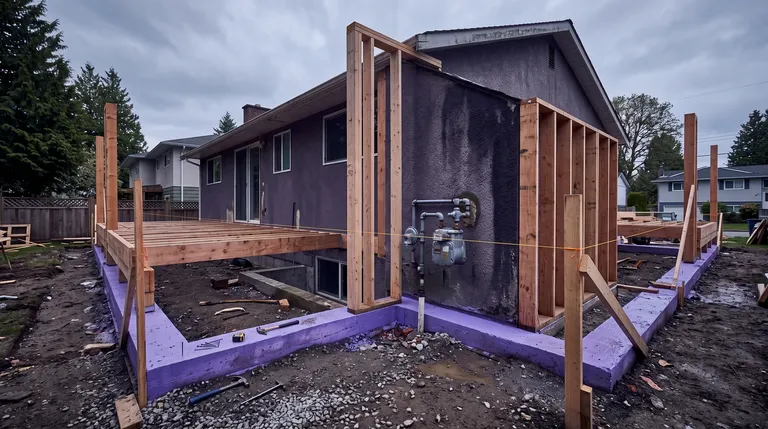
There is also the branch you inherit. Open a wall during a repipe in a 1980s townhouse and a capped stub to a fireplace nobody remembers is a normal find. Treat it as a pipe of unknown status: nobody opens it, and it gets identified before the wall closes again.
Before the appliance is carried out
- Decide whether the branch is dead for good or might feed something later.
- Book the gas work separately from the appliance delivery.
- Confirm the permit is pulled before anything is disconnected.
- Ask where the line will be cut back to, not just that it will be capped.
- Ask for the pressure test result on the system that stays live.
- Keep the paperwork with the house records, not the renovation file.