
Pulling the old appliance out takes an afternoon. The gas line it was feeding is the regulated part, and in British Columbia taking an appliance out is alteration work: a permit in place before anyone starts, a certified gas fitter doing it, and the branch line sealed with a cap or plug rather than held shut by a valve. That order matters more than the appliance does. The appliance leaves the house. The pipe stays in the wall.
Removal counts as an alteration
Technical Safety BC says this directly. Its information bulletin on gas equipment and system alteration permitting, IB-GA 2025-01, published July 9, 2025, puts removal inside the definition of an alteration, which means an installation permit has to be in place before the work begins. The permit it points to for piping left with nothing on the end of it is the installation or alteration of venting or gas piping without appliances permit. The wording is clumsy and it describes precisely the situation a removal creates.
The removal of any gas system or equipment is considered an alteration.
The bulletin's own example is a furnace coming out for a heat pump
The example the bulletin works through is the one happening across Metro Vancouver now: an end-of-life gas furnace removed and replaced with an electric-only heat pump system. Its point is about paperwork doing a safety job. The installation permit and the declaration the licensed gas contractor submits are what inform the regulatory authority that the gas system has been properly isolated and left in a safe, code-compliant state. Without them, the only record that the line in your mechanical room is dead is somebody's memory of a day in October.
A closed valve is not a cap
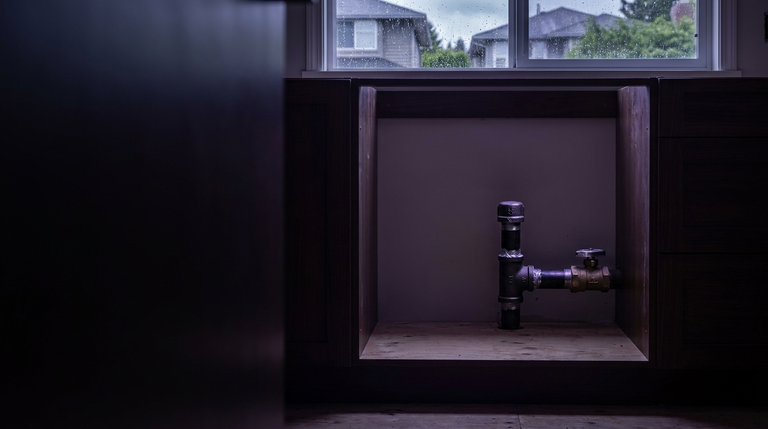
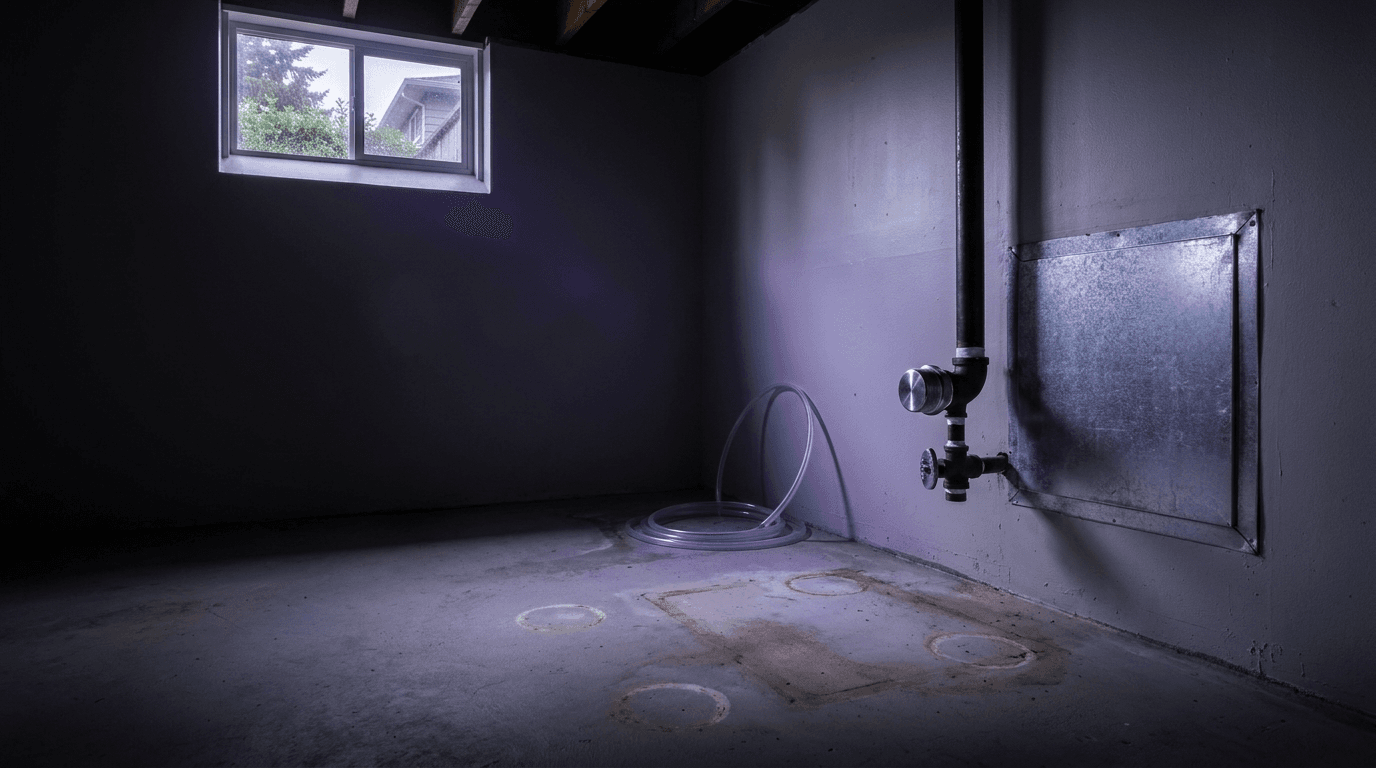
This is where removals go wrong in practice. A shut-off valve is a control, and controls get turned, by a renovator, by a curious child, by the next owner looking for the water. A cap or plug on the branch is a seal, and a seal is what the next trades person and the next inspection are entitled to find. A flexible connector left hanging with tape over the end is neither of those things. If the appliance is gone and the pipe is staying, the pipe ends in metal.
The pipe outlives the appliance
A capped branch can sit inside a wall for decades and is fine there. An open one, or one held shut only by a valve somebody can turn, is a gas line in a house nobody is thinking about any more.
Strata boilers and anything carrying an operating permit
A kitchen range and a strata building's boiler are different jobs. Regulated equipment that carries an operating permit falls under Technical Safety BC's decommissioning directive, D-BP 2024-02, issued April 8, 2024. It requires the work be done only by a contractor holding the appropriate class of licence and the matching certificate of qualification; the equipment permanently deactivated, with energy sources removed, contents removed and purged, and the physical disconnection completed; and the owner notifying Technical Safety BC on completion, listing each decommissioned product so the operating permit is actually closed. Dismantling waits for the contractor's written verification that the equipment is safe to take apart. Strata councils miss the notification more often than they miss the work, and an operating permit left open is a live obligation attached to a vessel that no longer exists.
What to ask for before the appliance goes
- Get the alteration permit number before the work starts.
- Ask who holds the gas licence for the removal.
- Have the branch capped or plugged, not valved off.
- Photograph the capped end before the wall closes.
- Ask for the notification of completion once it is filed.
- For equipment on an operating permit, confirm the permit was closed.
When the line is meant to come back
Plenty of removals are temporary in intention. The fireplace comes out during a renovation, the range goes while the kitchen is rebuilt, the barbecue line gets moved for a deck. Capping is still the answer and the permit is still the answer, because a line that might be reconnected in eight weeks is an open line for eight weeks. When it does come back, that reconnection is its own alteration, with its own permit, and the load it joins gets checked again against the pipe that feeds it.